In the Charlotte area, fall has a way of sneaking up on you. One week it is still warm enough for shorts in the afternoon, and the next you wake up to a cold house and reach for the thermostat for the first time in months. That first cold morning is when a lot of homeowners find out their heating system is not quite ready for the season.
Caryl Mechanicals brand ambassador and former Carolina Panthers safety Kurt Coleman likes to put it this way: you do not wait until game day to find out whether you are ready. Your heating system works the same way. A few simple checks now, and a professional tune-up before the cold really settles in, can be the difference between a comfortable winter and a no-heat emergency call on the coldest night of the year.
Key Takeaways
- Test your heat now, while the weather is still mild, instead of waiting for the first cold night.
- A fresh air filter is the easiest and least expensive way to help your system run safely and efficiently.
- A brief dusty smell on the first startup is normal, but some smells and noises should never be ignored.
- Heat pump owners should keep an eye on auxiliary and emergency heat, which can quietly drive up energy bills.
- An annual heating tune-up catches small problems before they turn into breakdowns during peak season.
Why Fall Is the Right Time to Check Your Heat
Your heating system has been sitting idle since spring. Over that time, dust settles on components, small parts can wear, and minor issues that started last winter have had months to get worse. You do not find any of that out until you turn your system on.
Timing matters too. When the first real cold snap hits, heating companies across the region get flooded with calls at the same time. Checking your system in the fall, while temperatures are still comfortable, gives you time to get any repairs done before you actually need the heat. If you want to get on the schedule now, you can book your heating service here.
Test Your Heat Before You Need It
The simplest thing you can do is turn the system on and make sure it responds. Switch your thermostat from cool to heat and set it a few degrees above the current room temperature. Within a few minutes, you should hear the system start and feel warm air coming from the vents.
If nothing happens, our post on quick checks to try when you have no heat walks through common culprits like thermostat settings, tripped breakers, and power switches.
- What to check first: If your thermostat runs on batteries, replace them now. Weak batteries are one of the most common reasons a system will not respond when the weather turns.
Start With a Fresh Filter
A dirty filter forces your system to work harder to move air through your home. In a furnace, restricted airflow can cause the system to overheat and shut itself off. In a heat pump, it reduces efficiency and comfort. Either way, it puts extra strain on equipment you are counting on all winter.
- What to check first: Pull your filter and hold it up to the light. If it looks gray, dusty, or you cannot see light through it, replace it before you start running the heat regularly. Check it monthly through the winter, especially if you have pets.
Pay Attention to Smells and Sounds
The first time your heat runs each fall, a light burning or dusty smell for a few minutes is normal. That is simply dust burning off the heating components after months of sitting. It should fade quickly.
Other signs are worth taking seriously. Banging, grinding, or squealing noises, a smell that lingers, or a burning electrical odor can point to a part that is failing. Our post on furnace smells and noises breaks down which ones are normal and which ones mean it is time to call a professional.
- What to check first: Make sure your carbon monoxide detectors are working and that you have one on every level of your home. If you ever smell gas, leave the house right away and call your gas utility or 911 from outside.
Heat Pump Owners: Watch the Auxiliary Heat
Many homes in the Charlotte area are heated with a heat pump rather than a gas furnace. Heat pumps are very efficient in our climate, but most rely on a backup heat source, often called auxiliary or emergency heat, when it gets very cold or when the system cannot keep up on its own.
Auxiliary heat is much more expensive to run. If you notice your thermostat showing auxiliary or emergency heat often during mild weather, or your outdoor unit is covered in ice that does not clear, that is a sign something may need attention.
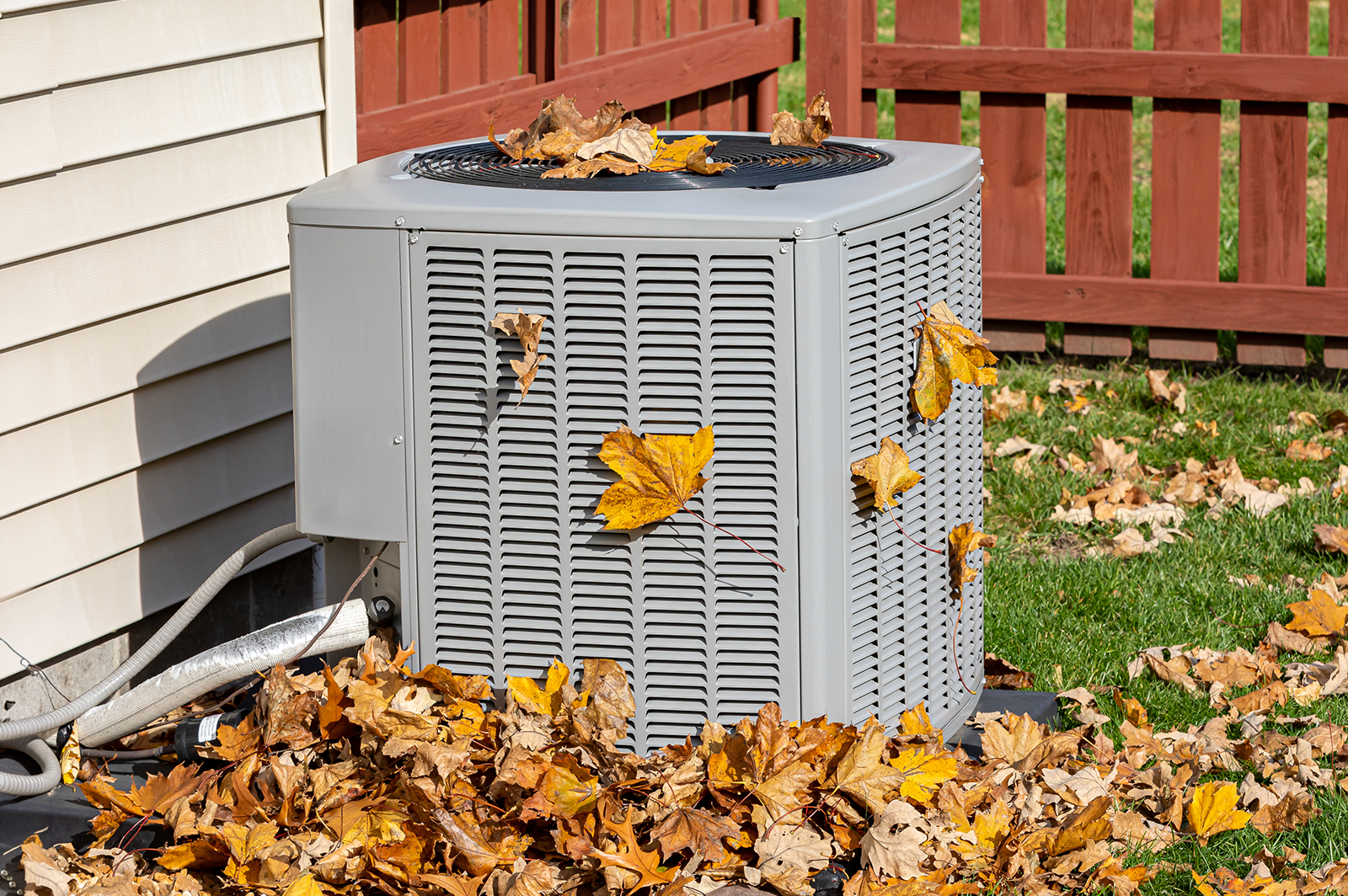
- What to check first: Look at your outdoor unit and clear away fallen leaves, pine straw, and debris. A heat pump needs open airflow around the outdoor unit to heat your home efficiently.
Know How Old Your System Is
Age plays a big part in how ready your heat really is. A system that has been reliable for years may start showing its age with longer run times, uneven heating, rising energy bills, or more frequent repairs. Our post on how long an HVAC system should last in North Carolina covers typical lifespans and what affects them.
- What to check first: Find the manufacture date on your equipment label or in your records. If your system is getting older and you needed repairs last winter, it is worth asking about heating replacement options before the cold season instead of in the middle of it.
What a Professional Heating Tune-Up Covers
Some parts of getting your heat ready should be left to a trained technician. During a heating tune-up, a technician will typically inspect and clean key components, check electrical connections, test safety controls, and confirm your system is heating properly. For gas furnaces, that includes checking the burners, ignition, flame sensor, and venting. For heat pumps, it includes checking refrigerant levels, the defrost cycle, and the auxiliary heat.
These are the kinds of small issues that are easy to fix in the fall and much more frustrating to deal with on a cold January night.
For Reference
ENERGY STAR recommends scheduling a check-up for your heating system each fall, before the heating season begins, noting that regular maintenance helps prevent breakdowns and keeps equipment running efficiently. The U.S. Consumer Product Safety Commission also encourages homeowners to have fuel-burning heating systems inspected by a professional every year and to install carbon monoxide alarms on each level of the home.
When to Call Caryl
If your heat is not ready, or you are not sure, Caryl Mechanicals can help. Our NATE-certified technicians provide heating repair, seasonal tune-ups, and heating replacement with 100% upfront pricing, so you know what to expect before any work begins.
- The system does not turn on, or blows cool air when set to heat
- Smells or noises that do not go away after the first few minutes
- Auxiliary or emergency heat running often in mild weather
- Rooms that heat unevenly or a system that runs constantly
- Energy bills that seem higher than last winter
- A system that needed repairs last year or has not had a tune-up in a while
A Caryl Comfort Agreement includes regular seasonal maintenance and a 15% discount on future repairs, so your system gets checked before every heating and cooling season. Our post on what an HVAC service plan actually covers walks through how it works. If a new system makes sense for your home, we also offer financing options to help make it manageable.
Cold weather is coming. Make sure your heat is ready. Schedule your heating service with Caryl Mechanicals or call (704) 882-4522 today.
