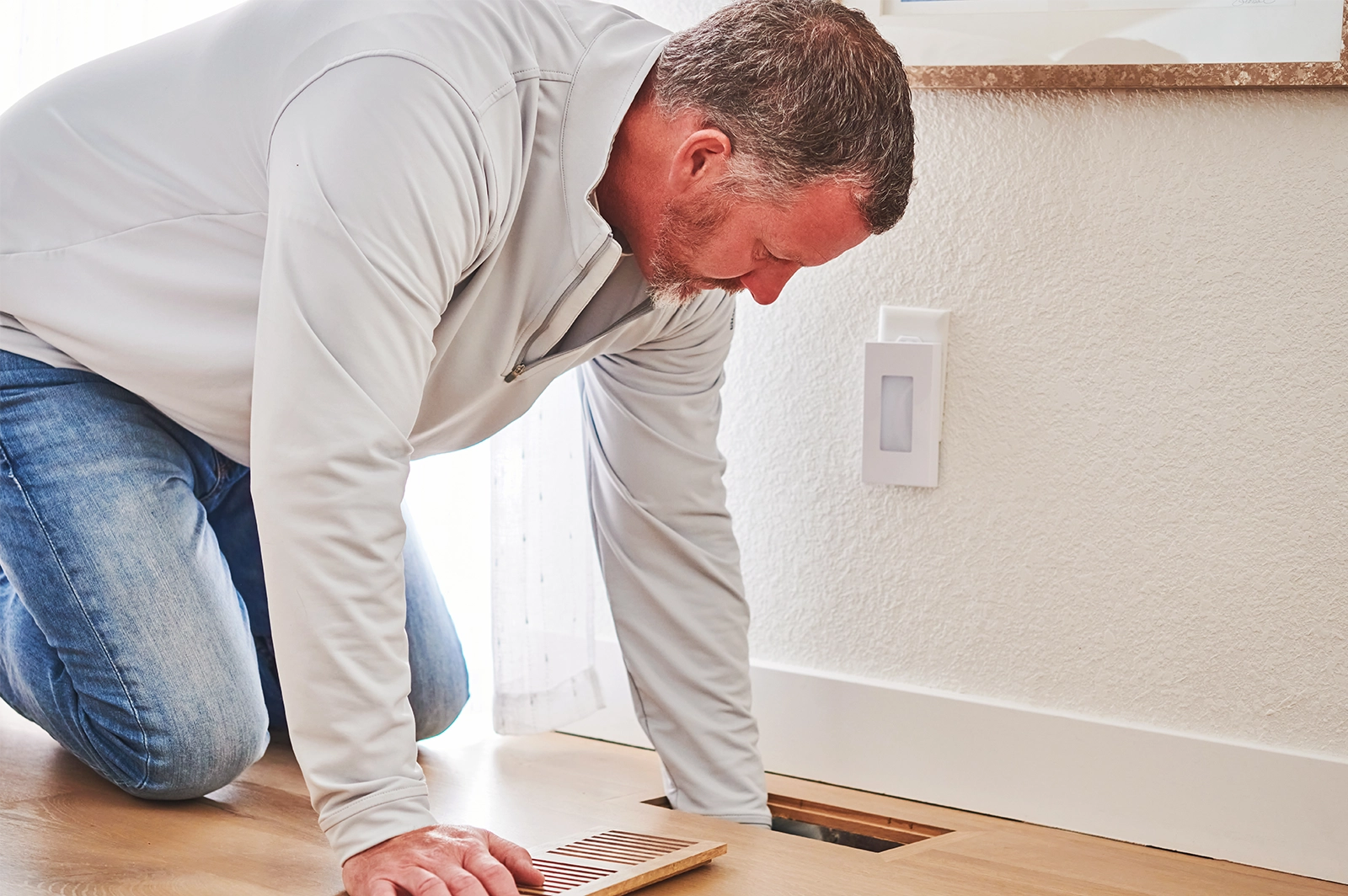
Your HVAC system is one of the most important systems in your home, but most homeowners do not think much about how old it is until something goes wrong. The AC runs all day and still struggles to cool. The heat does not feel as strong as it used to. Utility bills keep creeping up. Repairs are becoming more frequent. Or the system is still running, but you are starting to wonder how much longer it will last. So, how long should an HVAC system last in North Carolina? The honest answer is that…it depends.
Key Takeaways
- Many HVAC systems last somewhere in the 10 to 20-year range, depending on the equipment type, maintenance history, installation quality, and usage.
- ENERGY STAR recommends considering replacement when a heat pump or air conditioner is more than 10 years old, or when a furnace or boiler is more than 15 years old, especially if repairs and energy bills are increasing.
- North Carolina’s long cooling season can put extra demand on AC systems and heat pumps.
- Age alone does not mean you need replacement, but age plus frequent repairs, rising bills, uneven comfort, or poor performance deserves attention.
- Routine maintenance can help protect system performance and give homeowners time to plan instead of reacting to an emergency breakdown.
What Is the Average HVAC System Lifespan?
There is no single number that applies to every home. As a general planning range, many central air conditioners and heat pumps last around 10 to 15 years or more when properly installed and maintained.
- AHRI notes that a central air-conditioning system averages 12 to 15 years when properly installed and maintained, and heat pumps have a similar average lifespan when recommended maintenance is followed.
- Other manufacturers give a broader range, such as Carrier, state that modern HVAC systems generally last 15 to 25 years, depending on maintenance, installation quality, and environmental factors. Carrier also notes that furnaces may last 15 to 30 years, while air conditioners and heat pumps often have a life expectancy of 15 to 20 years.
For homeowners, the takeaway is simple: Your system may last longer than the average, or it may not. The question should not only be, “How old is it?” The better question is, “How is it performing at its age?”
When Age Becomes a Concern
An older HVAC system is not automatically a problem. If the system has been well maintained, cools and heats consistently, keeps energy bills reasonable, and does not need frequent repairs, it may still have useful life left.
But age becomes more important when it shows up in daily comfort or repair costs.
ENERGY STAR says homeowners may want to consider replacement if a heat pump or air conditioner is more than 10 years old, or if a furnace or boiler is more than 15 years old. ENERGY STAR also points to frequent repairs and rising energy bills as signs that heating or cooling equipment may have become less efficient. In other words, age is not the whole story. Age plus symptoms is what matters.
Why North Carolina Climate Matters
HVAC lifespan depends heavily on how hard the system has to work and in North Carolina, cooling systems can carry a heavy load through long stretches of warm weather and heat pumps may work during both cooling and heating seasons. Humidity, high temperatures, pollen, storms, and frequent seasonal swings can all affect how often the system runs and how much strain it carries.
That does not mean every North Carolina HVAC system will wear out early. It does mean homeowners should pay attention once the system reaches the 10-year mark. At that point, maintenance history, repair patterns, comfort problems, and energy bills become important clues.
How Maintenance Affects HVAC Lifespan
Maintenance cannot make a system last forever, but it can help the system operate more efficiently, catch small problems early, and reduce the strain that leads to breakdowns. Caryl Mechanical’s maintenance page compares HVAC maintenance to routine car care and positions the Caryl Comfort Agreement around improved system capacity, lower heating and cooling bills, fewer breakdowns and repairs, extended equipment life, and a 15% discount on repairs. For Charlotte-area homeowners, seasonal maintenance also helps prepare the system before the times of year when it works hardest.
What homeowners can do: Replace filters regularly, keep outdoor units clear of debris, keep vents open and unblocked, and schedule professional maintenance before peak cooling and heating seasons.
Repair or Replace: How to Think About the Decision
A good repair can extend the useful life of a system and replacement may make more sense when the system is older, less efficient, unreliable, or no longer keeping the home comfortable. Here’s a good rule of thumb depending on the age of your current HVAC system. See AC Replacement, See Heat Pump Replacement.
- If Your HVAC System Is Under 10 Years Old
- Repair most likely make sense, especially if the issue is minor and the system has otherwise performed well. That said, age is not a guarantee because poor installation, lack of maintenance, improper sizing, ductwork problems, or heavy use can cause issues earlier than expected.
- What homeowners can check: Look at warranty status, service history, filter changes, and whether the issue is isolated or recurring.
- If Your HVAC System Is 10 to 15 Years Old
- This is the first planning window. At this age, you do not necessarily need to replace the system, but you should pay closer attention to performance, repair frequency, and energy costs. A single repair may be reasonable. Multiple repairs, weak comfort, rising bills, or poor airflow may suggest it is time to start comparing repair costs against replacement.
- What homeowners can check: Ask a trusted technician whether the system is still reliable, whether repairs are becoming more expensive, and whether the home still feels comfortable during peak summer and winter weather.
- If Your HVAC System Is 15 Years or Older
- At 15 years or older, this is prime replacement planning time. Some systems can last beyond this point, especially with good maintenance, but if your system is older and struggling, waiting for a complete failure can leave you making a rushed decision during peak season.
- What homeowners can check: If your system is 15 years or older, review repair history, utility bills, comfort issues, and whether financing or replacement planning should be discussed before the next major breakdown.
Signs Your HVAC System May Be Near the End of Its Life
- Repairs are becoming more frequent
- One repair does not always mean your system needs to be replaced but if you are calling for service multiple times in a season, or the same issue keeps coming back, it may be time to look at the larger pattern. Frequent repairs can be a sign that major components are wearing down. At a certain point, continuing to repair an older system may cost more overtime than planning for replacement.
- What to consider: Ask whether the repair is a one-time issue or part of a pattern. If the system is older and repair needs are becoming more frequent, replacement planning may be the more practical next step.
- Your energy bills keep rising
- Energy bills can increase for many reasons, but an aging HVAC system can be one of them. Older equipment may have to run longer to deliver the same comfort. If your home usage has not changed but heating or cooling costs continue to rise, your system may be losing efficiency.
- What to consider: Compare recent bills to the same season in previous years. If your system is older and energy costs are rising along with comfort problems, it may be time for an inspection.
- Your home has uneven temperatures
- If some rooms are comfortable while others are too hot or too cold, the issue may be airflow, ductwork, insulation, thermostat placement, or system performance. In an older system, uneven comfort can also be a sign that the equipment is struggling to move and condition air the way it used to.
- What to consider: Pay attention to whether the problem is one room, one floor, or the whole home. That information can help a technician determine whether the issue is the system itself, the ductwork, or another part of the home.
- The system runs longer than it used to
- A system that runs longer is not always failing. During extreme heat or cold, longer cycles can be normal, but if your AC or heating system runs constantly during normal weather and still does not reach the set temperature, that deserves attention.
- What to consider: If the system is older, running longer, and still not keeping the home comfortable, it may be losing capacity or struggling with airflow, refrigerant, coils, electrical
components, or other issues.
- The system is louder than before
- New noises can be an early warning sign. Rattling, buzzing, grinding, squealing, or loud startup sounds may point to loose parts, motor issues, electrical concerns, or worn components. Some issues may be repairable, but recurring noises in an older system should not be ignored.
- What to consider: Do not wait for a strange sound to become a breakdown. If the sound is new, getting worse, or paired with poor performance, schedule service.
- Your system uses older technology or lacks modern efficiency
- Older systems may not offer the same efficiency, comfort control, quieter operation, or filtration options as newer equipment. That does not mean replacement is automatic, but it can matter if your current system is already struggling, your bills are rising, or you are planning to stay in the home for several more years.
- What to consider: If the system is older and replacement is likely within the next few years, planning ahead can give you more control over timing, budget, and equipment options.
When to Contact Caryl Mechanicals
Contact Caryl Mechanicals if your HVAC system is older, needs frequent repairs, struggles to keep your home comfortable, or leaves you unsure whether repair or replacement makes more sense.
This is especially important if you notice:
- Your system is more than 10 years old and repairs are becoming more frequent.
- Your AC or heat pump runs constantly but does not keep up.
- Your furnace or heating system is more than 15 years old and performance is declining.
- Your energy bills are rising without a clear reason.
- Some rooms are consistently too hot or too cold.
- Your system makes new or unusual noises.
- You are planning to replace the system before peak summer or winter.
- You want to understand repair, replacement, financing, or maintenance options.
**The Caryl Mechanical team can inspect your system, explain what is happening, and help you decide whether maintenance, repair, or replacement is the right next step for your home.
FAQs
- How long does an HVAC system usually last? Many HVAC systems last somewhere in the 10 to 20-year range, depending on the type of equipment, installation quality, maintenance history, usage, and climate. Furnaces may last longer than air conditioners or heat pumps, but every home is different.
- How long does an AC unit last in North Carolina? Many central AC systems are in the 10 to 15-plus year planning range. In North Carolina, long cooling seasons can make maintenance especially important.
- How long does a heat pump last? Heat pumps often have a similar planning range to central air conditioners because they may work during both cooling and heating seasons. Usage, installation quality, maintenance, and climate all affect lifespan.
- How long does a furnace last? Furnaces may last longer than cooling equipment, but replacement planning becomes more important when a furnace is more than 15 years old, especially if repairs and energy bills are increasing.
- Should I replace my HVAC system just because it is 10 years old? Not automatically. Age is only one factor. If the system is reliable, efficient, and keeping the home comfortable, replacement may not be urgent. If it is older and needs frequent repairs, runs constantly, or struggles with comfort, it is time to have it evaluated.
- Can maintenance help my HVAC system last longer? Yes, routine maintenance can help protect performance, catch small issues early, reduce strain, and help prevent avoidable breakdowns. It does not stop aging, but it can support a longer, more reliable system life.
When should I call Caryl Mechanicals about an older HVAC system?
Call if your system is older, repairs are becoming more frequent, energy bills are rising, rooms are uncomfortable, or you are unsure whether repair or replacement makes more sense. Caryl can inspect the system and recommend the right next step.
